
The concept of a minimalist lifestyle has become incredibly confusing. Is it a design aesthetic? A financial strategy? A competition to own the least amount of stuff? For years, the term conjured up images of twenty-somethings who travel the world with nothing but a backpack, or tech billionaires living in empty mansions with a single chair. It felt extreme, slightly cold, and frankly, impossible for anyone with a real job, hobbies, or a family.
But the conversation has shifted. While early influencers like Joshua Fields Millburn and Ryan Nicodemus helped bring minimalism to the mainstream, the movement has evolved into something far more flexible and personal. It’s no longer just about how few items you can own; it’s about how much attention you can reclaim.
I started turning to minimalism in 2021 and have found it’s less about deprivation than it is curation. For me, it was the decision to opt out of the constant pressure to consume and instead start trying to figure out what supports my goals. And what my goals even are!
There are other good reasons for becoming minimalist: to save money, reduce stress, or just be able to find your keys in the morning without having to turn your place upside down. The gist remains the same: to remove the distractions that keep us from the life we want to live.
Ok, So What Is a Minimalist Lifestyle?
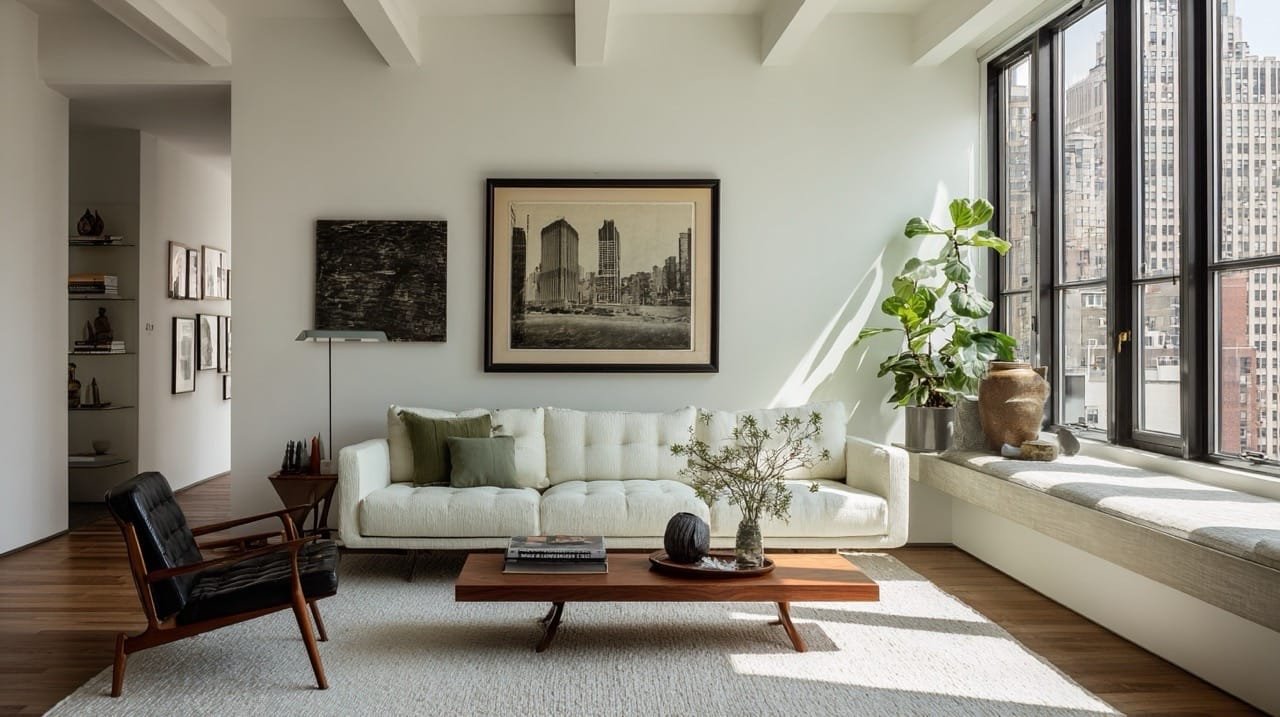
There’s a pervasive myth that a minimalist life requires a sterile, white aesthetic. We see photos of beige living rooms with zero personality and assume that’s the goal. But that’s interior design, not a lifestyle.

The concept of minimalism can essentially be viewed as a tool. It’s a mindset shift from unconscious accumulation to conscious choice. This past year there was a strong trend toward “personalised minimalism.” This means your home can be colorful, cozy, and filled with art, as long as those items are there on purpose.
So a minimalist isn’t necessarily someone who owns nothing. A minimalist is someone who questions what they own. It’s about stripping away the excess: the physical stuff, the digital noise, the mental obligations. In their place, new space is created for things that are more important.
For me, minimalism clicked when my life got turned around after being made redundant and I realised I had been shopping as a hobby for many years. I was also spending an awful lot of free time managing my stuff rather than doing things that bring real joy, like writing or making art. I was shifting clutter around, organising, cleaning, dusting and even repairing some things I didn’t much like anymore. Not to mention paying insurance premiums on the good stuff. Pursuing a minimalist lifestyle with fewer possessions meant flipping that script. It was really just recognising that every object in your home requires payment, not just in money, but in time and energy.
The Benefits of Minimalism: Why Simplify and Live With Less?
You might wonder why anyone would choose to have less when we’re told constantly that more is better. Besides the obvious financial aspect, the answer usually comes down to mental health. Clutter isn’t just an eyesore; it’s a source of stress.
Research consistently shows that a cluttered environment contributes to anxiety and cognitive overload. Visual clutter signals to the brain that our work is never done. When I walk into a messy room, I can physically feel my tension rise. And it’s more than a feeling; excess stuff is linked to spikes in cortisol, the stress hormone.


When you live with less, you interrupt this stress cycle. The benefits of minimalism extend far beyond a tidy house.
- Mental clarity: with fewer visual distractions, your brain can relax.
- Financial freedom: minimalist living means owning fewer things and that naturally leads to buying less, which keeps money in your pocket.
- Reclaimed time: this is the big one. We spend hours shopping for, cleaning, organising, and looking for our possessions. Minimalism hands that time back to you.
I’ve found that the freedom to spend money and time on experiences rather than goods is the biggest payoff. Instead of spending Saturday organising the closet yet again, I’m spending quality time with the people I love or having fun with hobbies like this blog here. To me, that shift in priority is what makes the effort of decluttering really worth it.
Intentional Life: The Minimalist Mindset Shift
The biggest hurdle to living intentionally isn’t physical; it’s mental. We live in a culture that equates success with accumulation. We buy status symbols to prove we’ve made it, even if those items don’t align with our actual needs.
Adopting a minimalist mindset requires us to challenge the “more is better” narrative. It forces us to ask a difficult question: Does this item add value to my life?
I used to fall into the “just in case” trap, too. I kept cables for old electronics I didn’t own anymore and clothes that didn’t fit, all because I thought I might need them someday. I also bought an awful lot of things on sale even though I didn’t need them because of fomo. This fear of scarcity drives us to fill our homes with excess possessions. In extreme cases, people end up renting a storage unit to house things they never visit! It’s absurd when you think about it—paying rent for boxes of old college textbooks and broken furniture “just in case.”
Intentional living is the antidote to this mindless consumption. It emphasises quality over quantity. Instead of buying three cheap sweaters that itch and pill, a minimalist might buy one high-quality cashmere piece they love wearing. This approach saves money in the long run because the cost per wear is so superior. It also reduces waste.


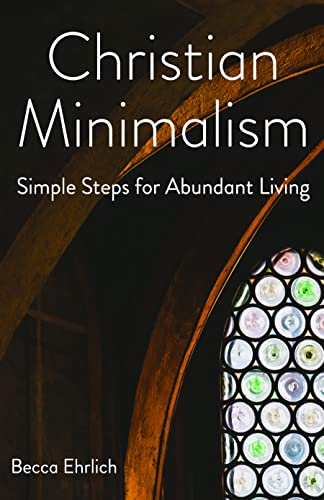
So in a nutshell, living an intentional life means you stop letting marketers dictate what you need. You become the gatekeeper of your home. You realise that you don’t need more stuff in order to be happy; you need space and peace.
Start Living a Minimalist Life by Letting Go
I’ve written an entire article about starting a minimalist life already, so I’ll just summarise here by saying the first step is usually the hardest: letting go.
We form emotional attachments to our things. We keep toys and clothes because they remind us of when our kids were babies. We keep gifts we hate because we feel guilty getting rid of them. This is normal. But decluttering gets easier the more you do it.
Here’s what I’ve found works when you’re facing a mountain of stuff:
- Start small: Don’t pull everything out of your closet at once. That’s a recipe for a meltdown. Start with one drawer. Or even just clean out your wallet.
- The “maybe” box: If you can’t bear getting rid of things yet, put them in a box. Tape it shut and date it. If you haven’t opened it in six months or so, you can probably let it go without even looking inside.
- Focus on function: Ask yourself when you last used an item in question. If it’s been more than a year, it might be safe to declutter it.

Minimalism looks different for everyone. You don’t have to commit to getting rid of everything. If you love your book collection, keep it. If you love baking, keep your gadgets. Again, the goal isn’t to own next to nothing like Naoto Shibuya; it’s to remove the things that distract you from what you love.
Digital Minimalism: The New Frontier of Living With Less
If we’re asking what a minimalist lifestyle is today, we can’t ignore the glowing rectangular bricks in our pockets. Clutter isn’t just physical; it’s digital. You can have a pristine living room but a chaotic mind because your phone is pinging you every thirty seconds.
Digital minimalism is the application of these same principles to our technology. You don’t have to revert to a landline; the focus is on intentionally using your time online rather than letting apps use you. For many people, a feeling of dread and overwhelm doesn’t come from a messy desk at all. It stems from an inbox with 5,000 unread emails!

Living a minimalist lifestyle today implies curating your digital environment. It means deleting apps that don’t serve us, unsubscribing from newsletters that trigger anxiety, and recognising that digital hoarding—keeping thousands of blurry photos or files—is still hoarding. And honing in on this digital aspect of the lifestyle allows you to focus on deep work and real conversations, rather than getting caught in the scroll.
Further Reading
👉 Explore more about digital minimalism here at Tidymalism 📲
Sustainable Minimalism: The “Buy Better” Philosophy
Another huge shift in what it means to live a simple life today is the connection to sustainability. In the past, minimalism was sometimes criticised for being wasteful. People would toss things out, only to rebuy them later. Now, the definition has matured.
A modern minimalist life is deeply connected to the environment once you come to realise physical clutter is often just delayed trash. By choosing to own fewer things, we naturally reduce our carbon footprint.
For me, this is definitely marked by a shift from “buying cheap and stacking high” to a sustainable “buy less, but better” mentality. When you own fewer possessions, you can afford to get out of the fast fashion rat race and invest in items that are ethically produced and built to last. In such, minimalism can help not just your headspace, but the planet, too. Win-win.
Become a Minimalist to Create a Life That’s Just Easier
Ultimately, asking “what is a minimalist lifestyle” leads to a broader answer about how we allocate our resources. It’s a holistic approach. It aims to remove the friction from your schedule, your finances, and your obligations, not just your closet.
Personally, minimalism has helped me set boundaries for myself. Just as you say “no” to yet another cheap plastic gadget or polyester jumper from Primark, you learn to say “no” to social obligations that drain you. You learn to protect your weekends. You get more focussed on what energises you and trim out the rest.

When you strip away the trends and the hashtags, living a minimalist lifestyle is a strategy to create a life where you aren’t constantly wrangling with your environment. We aren’t trying to hit a specific number of items. We are trying to do is reach a point where our home and life and even our laptop feel supported by our possessions and choices, not burdened by them.
Once you feel the positive impact—the extra money, less household upkeep, calmer mornings—you’ll likely find you never want to go back to the chaos of before. That’s when the things you now want aren’t really things at all anymore. It’s peace, time, and freedom you’re after.
So if you’re looking to start living this way, don’t worry about the rules some minimalism influencer made up. Just ask yourself: “Does this help me live the life I want, or is it just in the way?” That single question is the essence of the lifestyle.



Leave a Reply