

Minimalism can serve as a rather practical framework for removing the distractions of excess stuff. At its core, the concept of minimalism is about intentionality: the active process of curating your life to include only the things that add genuine value, whether material goods, commitments, or digital files.
This post rounds up a few good minimalist lifestyle tips for beginners who want to start simplifying their life effectively and move beyond the overwhelm of clutter towards a more controlled, intentional way of living.
If you’re totally new to this subject or just confused as to what this lifestyle even entails these days, check out my post about what the minimalist lifestyle is, and how it’s been changing.
Defining the “Why” Behind Your Minimalist Journey
Before you start scrambling to sort and get rid of things, it helps to define your goal. Without a clear objective, decluttering is just a temporary tidying exercise that will eventually be undone.
What specific outcome are you trying to achieve? Your motivation for a journey into minimalism will be the foundation for every decision you make. Try to leave any abstract feelings behind you and think of a tangible target that can guide your actions.
Some common, practical objectives include:
- Financial health: Pay off debt, build savings, or stop the cycle of living paycheck to paycheck by consciously reducing consumer habits. Owning fewer things saves you both money and time.
- More time: Have more leisure to rest, pursue hobbies, travel the world, or even start a blog instead of managing possessions.
- Increased freedom: Gain the ability to downsize your home, move more easily, or not be weighed down by the responsibility of material things.
- A healthier life: Less stuff means less stress, and that supports mental and physical well-being.
Once you have your “why,” keep it visible! This clarity will be your most effective tool when you’re deciding whether to keep or discard an item. It transforms the act of decluttering from a chore into a deliberate step toward a defined goal.



Tiny Steps Towards Less Stuff
Actionable decluttering calls for a logical system, not an emotional debate over every possession. To make real progress, you have to remove sentimentality from the process and rely on a clearer set of rules.
Start with a low-stakes, functional area, like your bathroom, laundry room, or kitchen cabinets, to build momentum. Success in these smaller areas will make it easier to tackle more challenging spaces like closets or sentimental items later. The key is using a simple method to make clear decisions. A common myth is that you have to do a big purge, but I’ve always found the better approach is to start small.

One of the most effective methods comes from Joshua Fields Millburn and Ryan Nicodemus, aka “The Minimalists.” They popularised the 90/90 Rule, a simple but powerful tool for making decluttering decisions. Basically you look at a possession and ask yourself two questions:
- Have I used this item in the last 90 days?
- Will I use this item in the next 90 days?
If the answer to both questions is no, the item in question can likely go.
This rule is so effective because it bypasses the “what if I need it someday?” trap. While our minds are good at creating unlikely future scenarios to justify holding onto clutter, the 90/90 rule grounds the decision in the reality of your actual life and habits. It forces you to be honest about what you use compared to what you simply own. It provides a logical reason to let things go without guilt.
For items that fall outside of this rule (e.g., seasonal decor, specialised tools), the principle remains the same: does this item serve a clear and practical purpose in your life as it is now?
Don’t invent reasons to keep things. The goal is to make space in your home for what’s functional and necessary.






As you get rid of stuff, place them immediately into a box or bags designated for donation, selling, or disposal. Try not to let them linger. Getting rid of stuff promptly is a critical part of the process.
Declutter Your Mindset
Decluttering is a temporary fix; a minimalist mindset is the more permanent solution. You may have less stuff after sorting through your place, but without changing your habits, you might very well eventually find yourself right back where you started.
The ultimate goal of minimalist living is to stop the inflow of unnecessary possessions. So this requires shifting from a reactive (getting rid of stuff) to a proactive (not acquiring it in the first place) approach.
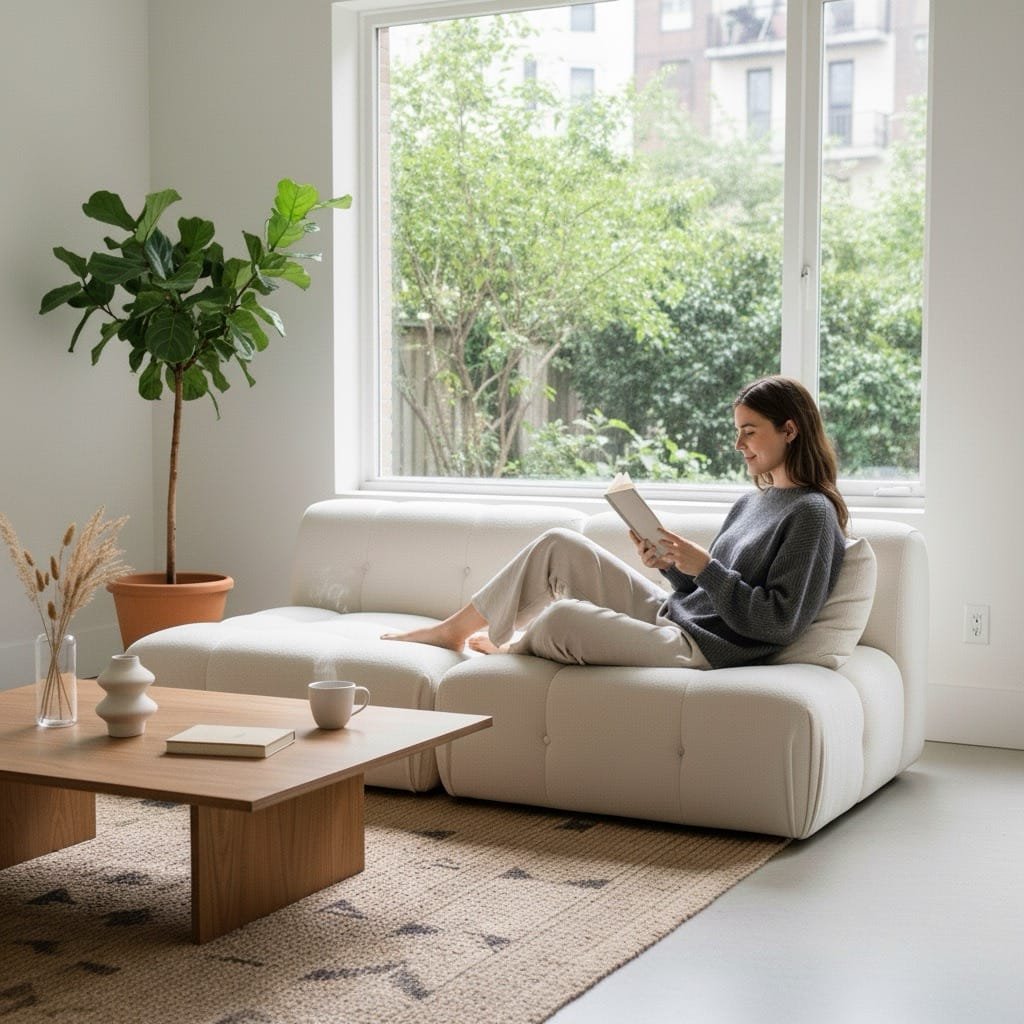
The most straightforward way to begin cultivating this mindset is to implement a strict “one in, one out” policy. For every new item you bring into your home, a similar item must leave. This simple rule forces you to consider the consequence of every purchase.
If you buy a new pair of shoes, which old pair are you prepared to let go of? When you handle things this way, you’re setting yourself a natural limit and preventing the slow accumulation of new clutter.
Also, instead of buying new items on impulse, you can train yourself to pause. This prevents you from having to spend money unnecessarily. For non-essential items, I’m a big fan of the 30-day rule: I park my wish item on a list and wait it out. This pause is a great defense against impulse buys and the allure of consumer culture.
When shopping, I also generally tend to ask myself these questions:
- Do I already own something that serves this purpose, or can I pursue a minimalist approach by reducing the number of items I have? Often, we buy specialised gadgets when a multi-purpose tool we already have works perfectly well.
- Where will I store it? If I don’t have a designated, logical place for it, it’s likely future clutter.
- Is this a genuine need or a temporary want? If it’s the latter, it’s going on the aforementioned wishlist. If I still feel a strong need for it after a month, I might feel more confident the purchase is justified. Or I might be totally “over it” and not buy it at all.
- What’s the true cost? Consider not just the price tag, but the cost in time and energy to clean, maintain, insure and eventually get rid of the item.
Adopting a minimalist mindset is about becoming a gatekeeper for your home and life. You–not friends or family, marketers or trends–decide what earns a place in your space.
Minimalist Lifestyle Tips to Simplify Beyond Possessions
Minimalism offers other paths to simple living, too. A simplified schedule can save a ton of time and mental energy, for example. Once you’ve engrained the core principle of eliminating the non-essential, you can essentially apply it to any area of your life. Three such examples:





Digital minimalism: Our digital lives are often as cluttered as our physical ones. A cluttered desktop, chaotic inbox, and an endless stream of notifications contribute to mental clutter and reduce productivity.
- Inbox: Unsubscribe ruthlessly from promotional emails you never read. Create a simple folder system to archive important messages and aim for an empty inbox at the end of each day.
- Apps: Delete any apps on your phone or computer that you haven’t used in the last month. Organise the remaining apps into folders based on function (e.g., “Finance,” “Work,” “Utilities”).
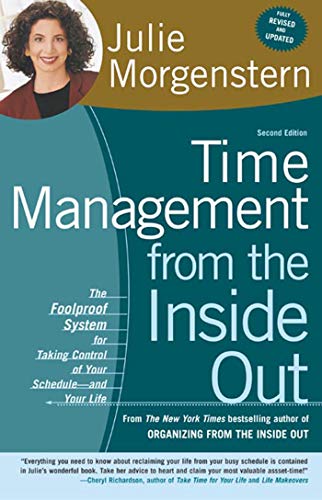
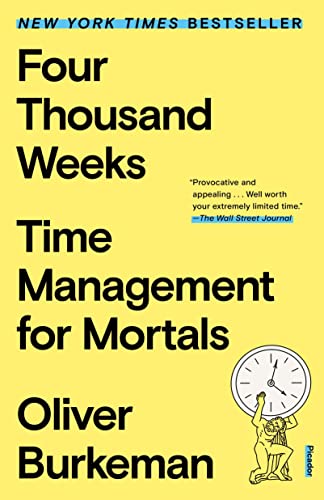


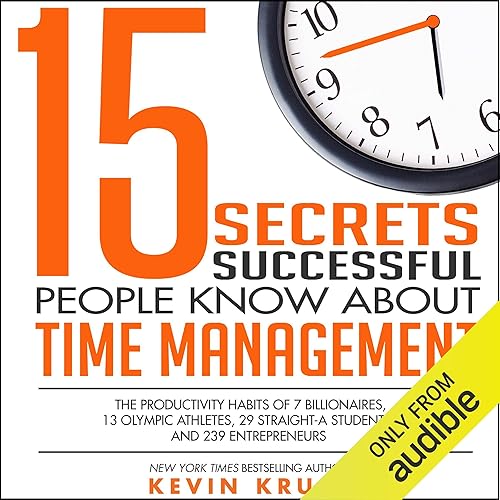


Time management: Your time is your most valuable, non-renewable resource. A minimalist approach to your schedule means protecting that resource with the same intention you use for your physical space.
- Audit your commitments: For one week, track how you spend your time. Identify activities and obligations that don’t align with your primary goals or add value to your life.
- Learn to say no: Saying no is a skill. Politely decline invitations or requests that you don’t have the capacity for or that don’t interest you. Every “yes” is an investment of your time.
- Simplify your morning routine: Create a simple, streamlined morning routine to start your day with focus instead of chaos. A minimalist routine might include just a few key activities that set you up for success.


Financial minimalism: A minimalist approach to finances focuses on clarity, efficiency, and intentionality in how you earn, spend, and save.
- Automate: Set up automatic transfers to your savings account and automate bill payments. This helps reduce the amount of time you spend on financial management and ensures you’re consistently working toward your goals.
- Track spending: Use an app or a simple spreadsheet to track your spending for 30 days. This will provide clear data on where your money is going and identify areas where you can cut back.
- Define needs vs. wants: Just as with physical items, distinguishing between needs and wants is important. Prioritise spending on what’s essential and what genuinely aligns with your values and goals.
Living a More Intentional Life
There is no official endpoint to becoming a minimalist, and you don’t need to call yourself a minimalist to benefit from its principles, either. Think of it as an ongoing, practical method of self-optimisation. The core principle is to consistently and logically question what adds value to your life and get rid of what doesn’t so you have more space for things that matter.
The minimalism journey itself is built on small, consistent actions that become habits. These minimalist lifestyle tips can be adapted to build a foundation, and refine your approach as you go.
Start with one small, manageable change today! Clean out a single drawer. Unsubscribe from five email lists. Say no to one non-essential commitment. Do a little something tomorrow, and the day after that. The momentum will follow.




Leave a Reply