

In this article
My Accidental Digital Detox
I'm fully dependent on constant connectivity. As someone whose work is entirely organised online, relies heavily on digital devices like her laptop and smartphones, and has primarily digital hobbies like blogging, coding, and automation, being offline seems practically unthinkable. Until recently, it literally never crossed my mind to intentionally disconnect. That was something other people did, not me.
Then it happened: four unexpected days offline catapulted me abruptly into a "digital detox" I never asked for—and initially hated.
A Four-Day Forced Disconnection
My internet connection suddenly stopped working, thrusting me into panic mode. I had client work to deliver, deadlines looming, and some N8N work counting down. Suddenly unable to access anything, I furiously jumped onto my provider’s call center queue and spent what felt like forever on hold, becoming angrier with every looping music track. When I finally got through, the indifferent "we'll fix it soon" didn't leave me feeling confident.
I frantically troubleshot my hardware, unsuccessfully attempted to piggyback onto my neighbor’s weak Wi-Fi signal, and even ran out and bought a €250 Fritzbox as a desperate measure only to find my provider blocked third-party hardware from the get-go.
With data running out on my mobile and a long holiday weekend coming up, I decided against purchasing another costly data pack, still stubbornly believing I'd be back online within hours.
I wasn't.
To further compound my frustration, my city was holding a major annual event that kicked off right in front of my house, overloading the phone network to the point that I had no mobile signal at all. My usual constant connection on mobile was completely gone so I couldn't even use a hotspot. The situation was absurd!
The Digital Fast: 40 Days to Detox Your Mind and Reclaim What Matters Most
Digital Detox Weekend: 48 Hours to Reclaim Focus, Boost Productivity, and Find Lasting Well-being
The Digital Fast Workbook: Detox Your Mind and Reclaim What Matters Most
How to Break Up with Your Phone, Revised Edition: The 30-Day Digital Detox Plan

Digital Detox: Reclaim Focus & Purpose Without Screens (Transform Your Life: Practical Self-Help Strategies Book 6)
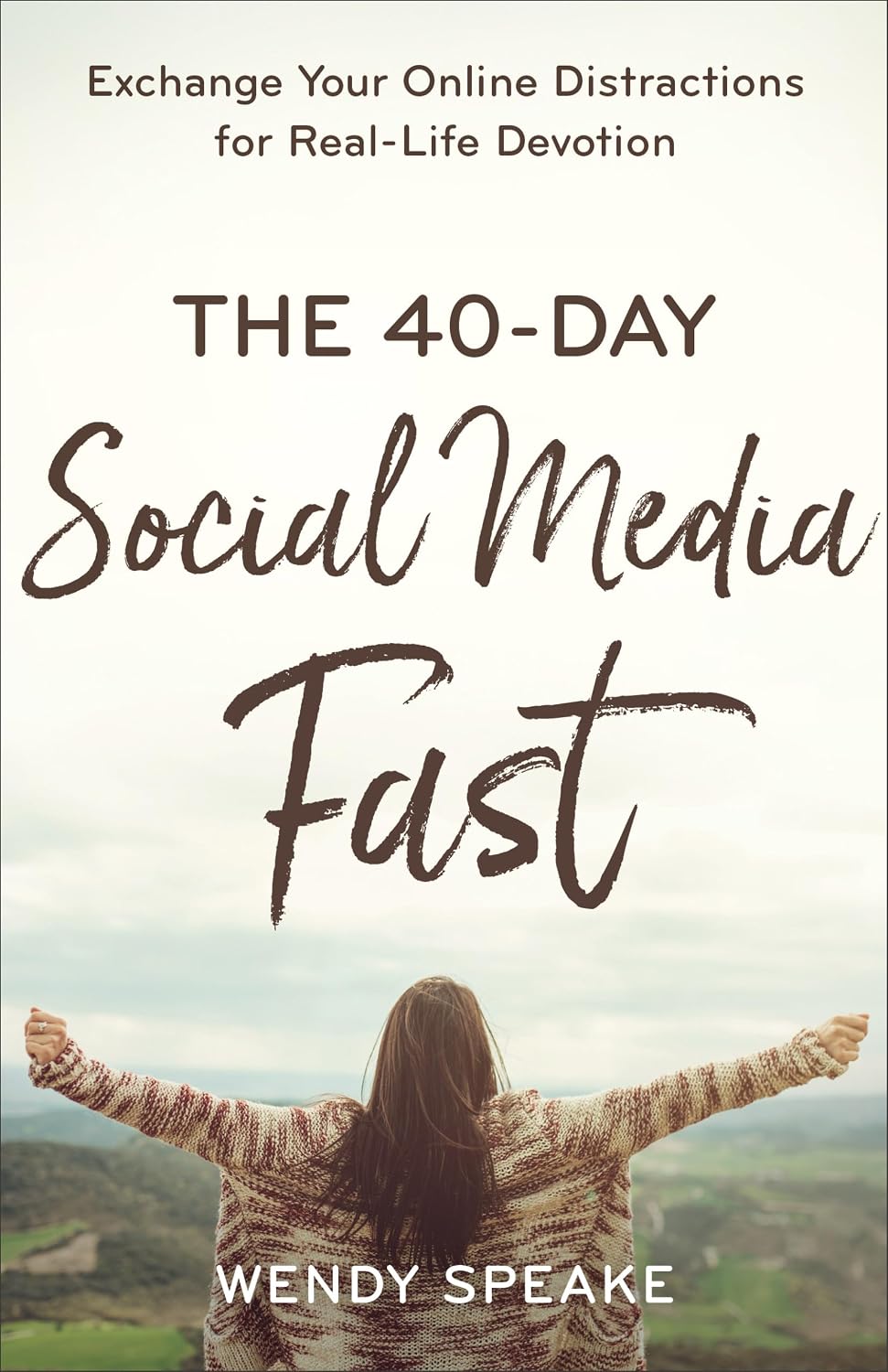
The 40-Day Social Media Fast: Exchange Your Online Distractions for Real-Life Devotion
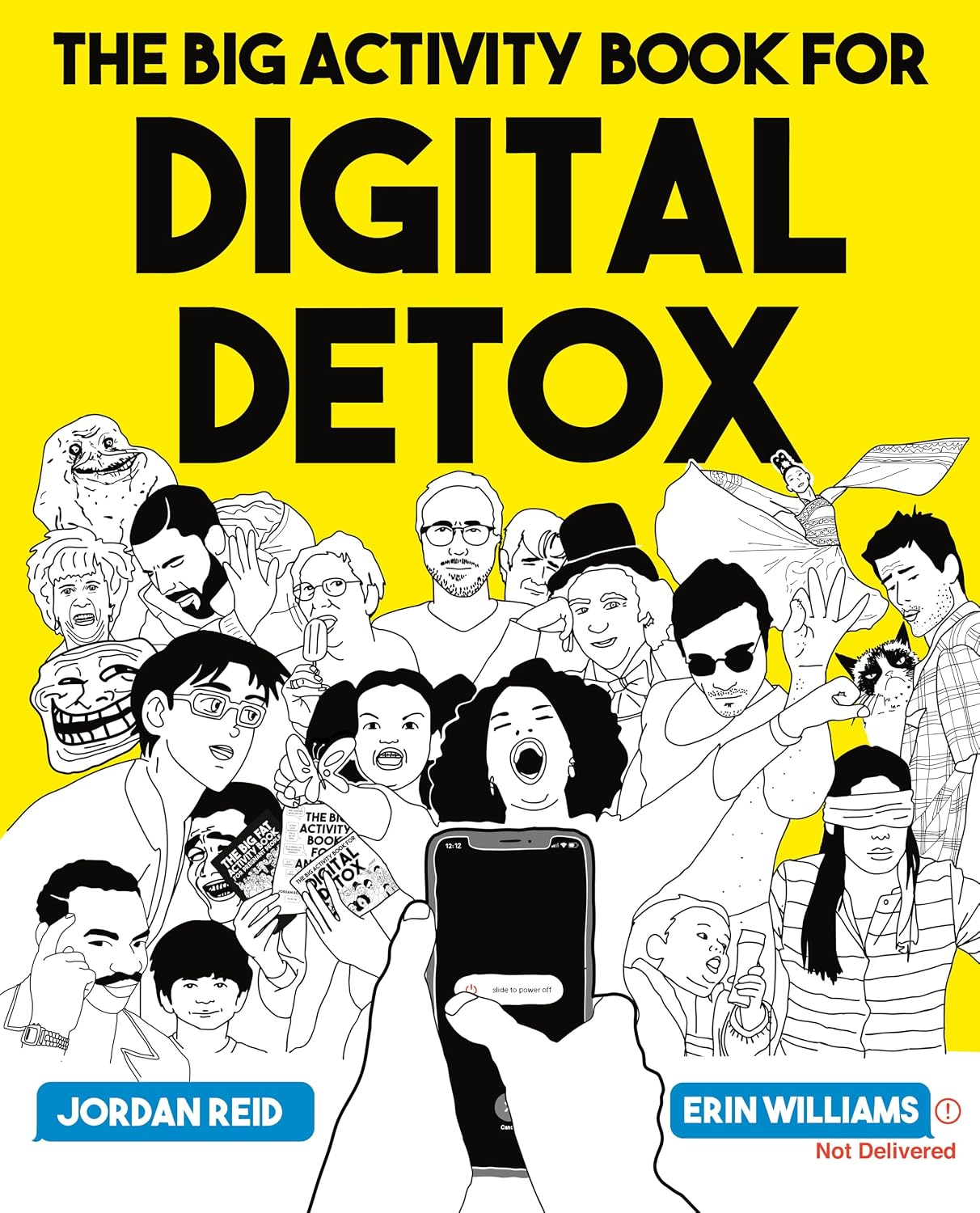
The Big Activity Book for Digital Detox
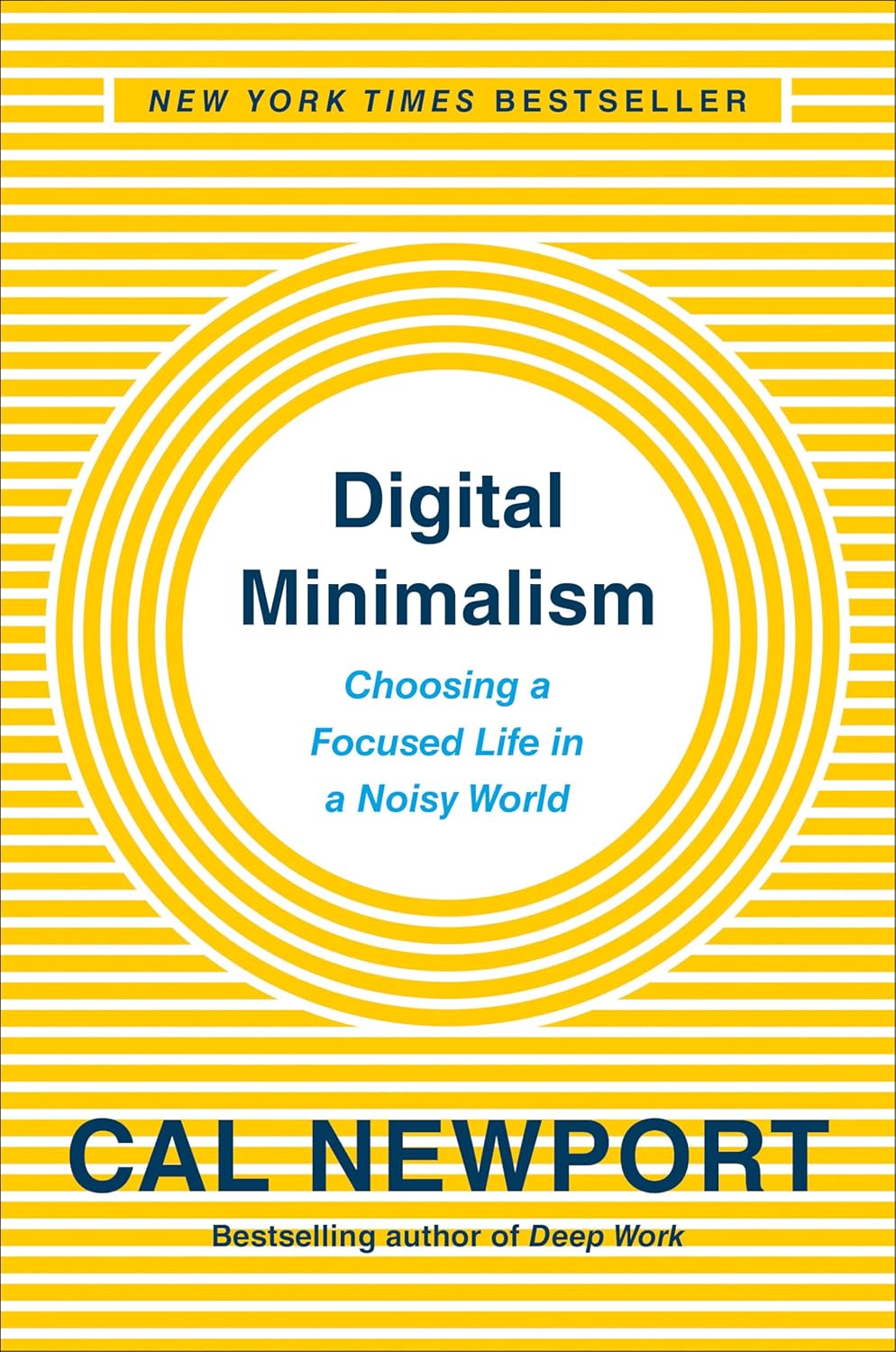
Digital Minimalism: Choosing a Focused Life in a Noisy World
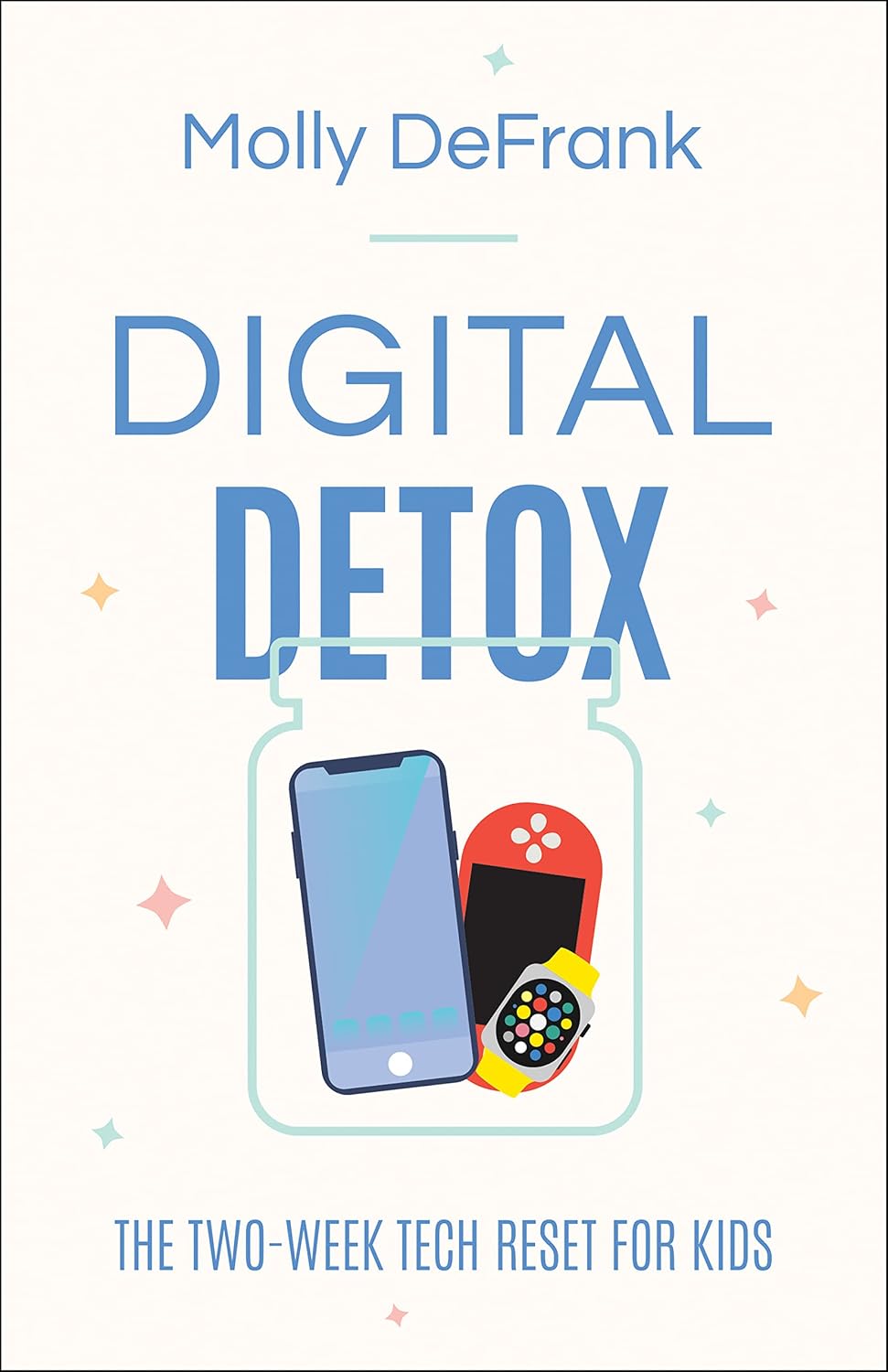
Digital Detox
For perhaps the first time ever, I felt well and truly disconnected from the digital world. At first, the isolation and a nagging fear of missing out on everything on X agitated me immensely. But by day four, something surprising happened.
The Surprising Gains from Going Offline
By the end of the long weekend, I realised my mental well-being had improved. I never would've said I had digital burnout to begin with, yet I was calmer, more focused, and productive in a different way. Without the constant pull of notifications and digital distractions, I stopped multitasking and could finally concentrate. This allowed me to tackle an intimidating backlog of paperwork I'd avoided for months. After digitising a stack of aging folders, I experienced a genuine sense of accomplishment. My focus was sharp and the work felt surprisingly easy.

This rediscovery of single-tasking was a powerful form of mindfulness, keeping me present in the moment. It was so weird, but hours seemed to stretch delightfully long. In fact, I couldn't remember a day being that long since the early 1990s. Is that sad? I don't know. But with time unexpectedly opening up, I finally picked up—and finished—two entire books I'd been meaning to read.
The extra time also did wonders for my physical health. Instead of being glued to a screen, I spent more time outdoors, walking six full miles each day. The fresh air was a welcome change and a noticeable mood booster. At night, without late-night scrolling on social media sites or internet gaming, my previous sleep problems vanished. My sleep quality improved dramatically, and I woke up feeling genuinely refreshed for the first time in a long while.
This brief, forced timeout from my digital life didn't just feel refreshing—it felt necessary. This accidental digital detoxification demonstrated firsthand that taking a break from screens doesn't just save time; it improves focus, well-being, and engagement with the world around me.
How I'm Building on My Accidental Benefits of a Digital Detox
My accidental digital detox challenge was initially stressful, but it highlighted how beneficial a pause can be. It left me wanting more of that calm and productivity in my life. If you're feeling overwhelmed by your own tech habits, suffocating in digital clutter or worried about smartphone addiction, here are the practical steps I'm taking to maintain healthier habits.
Setting Clear Digital Boundaries for Screen Time
I now leave my phone at home when I go for a walk. I'm also creating device-free zones in my apartment—most notably the bedroom—to ensure I have space to relax without the temptation to constantly check your phone. This helps break the habit of constant, low-grade connectivity.
Turning Off Non-Essential Notifications
Turning off notifications from all but the most essential apps has made a huge difference. These alerts are designed to trigger distraction and can cause anxiety. Limiting them has been key to my ability to stay focused on a single task, whether it's work or reading a book.
Finding Offline Alternatives to My Digital World
Long-term success comes from replacing a habit, not just stopping it. I'm intentionally scheduling offline interests into my week, such as reading, tackling small organsation projects, or investing in quality time with friends to rebuild social connections. This not only reduces the amount of time you spend online but naturally enhances well-being.
Creating a "Wind-Down" Routine Before Bed
The improved sleep quality was one of the biggest benefits I noticed. To maintain that, I'm committing to a device-free hour before bed. The blue light from screens is known to disrupt sleep, so I'm cutting back on late-night smartphone use and replacing it with reading a physical book or journaling.
From someone who never planned for a digital break, trust me: it’s worth taking a step back. I didn't choose to disconnect, but the experience made me realise that I need to. The role of digital technology in my life is significant, but reclaiming intentional time offline is just as important. My accidental experiment proved that limiting my personal technology use is one of the best things I can do for my productivity, stress levels, and overall work-life balance.