

Think less blue light at midnight, less buzzing in your pocket, and more slow mornings with sunlight on the table and a clear head. That’s the shift these ideas can start.
You don’t need a perfect plan or a full weekend off-grid. Just these simple steps that make a screen break feel doable instead of punishing.
The following ideas help you set a target, spot your habits, cut easy temptations, and build some device-free time that sticks. Small tweaks that can change the whole feel of your day!
Set a Clear Goal for Your Digital Detox Challenge
A screen break works better when the target is clear. Vague plans fail fast after all. So a simple goal gives your digital detox challenge a structure you can follow.
- Timeframe: Pick a short window first, like three days, one week, or every evening after 8 p.m. A smaller target feels way easier to keep.
- Devices: Choose what to limit. That might be social media on your phone, late-night tablet use, or work email after dinner.
- Reason: Make a note of your one honest reason for wanting to detox, such as better sleep, less stress, or more focus. Keep it visible on a sticky note or your lock screen.
Be specific. “I will stay off Instagram after 9 p.m. for seven nights” is much stronger than “I should use my phone less.”

Track Current Screen Habits
Before cutting back, look at the pattern. Most people guesstimate about where their time goes. Screen-time reports tell a much clearer story!
Find the spike hours
Check daily and weekly phone reports. Look for the times that screen use jumps, such as early morning in bed, lunch breaks, or late at night on the couch. Those hot spots show where the habit is strongest.
Notice the trigger
What was going on right before you picked up the device? Boredom, stress, waiting, and plain old habitual impulses are common. Your personal triggers matter because they tell you what needs a real fix, not just more willpower.
Keep notes for three days. Patterns show up fast, and once you see them, your next step gets much easier.
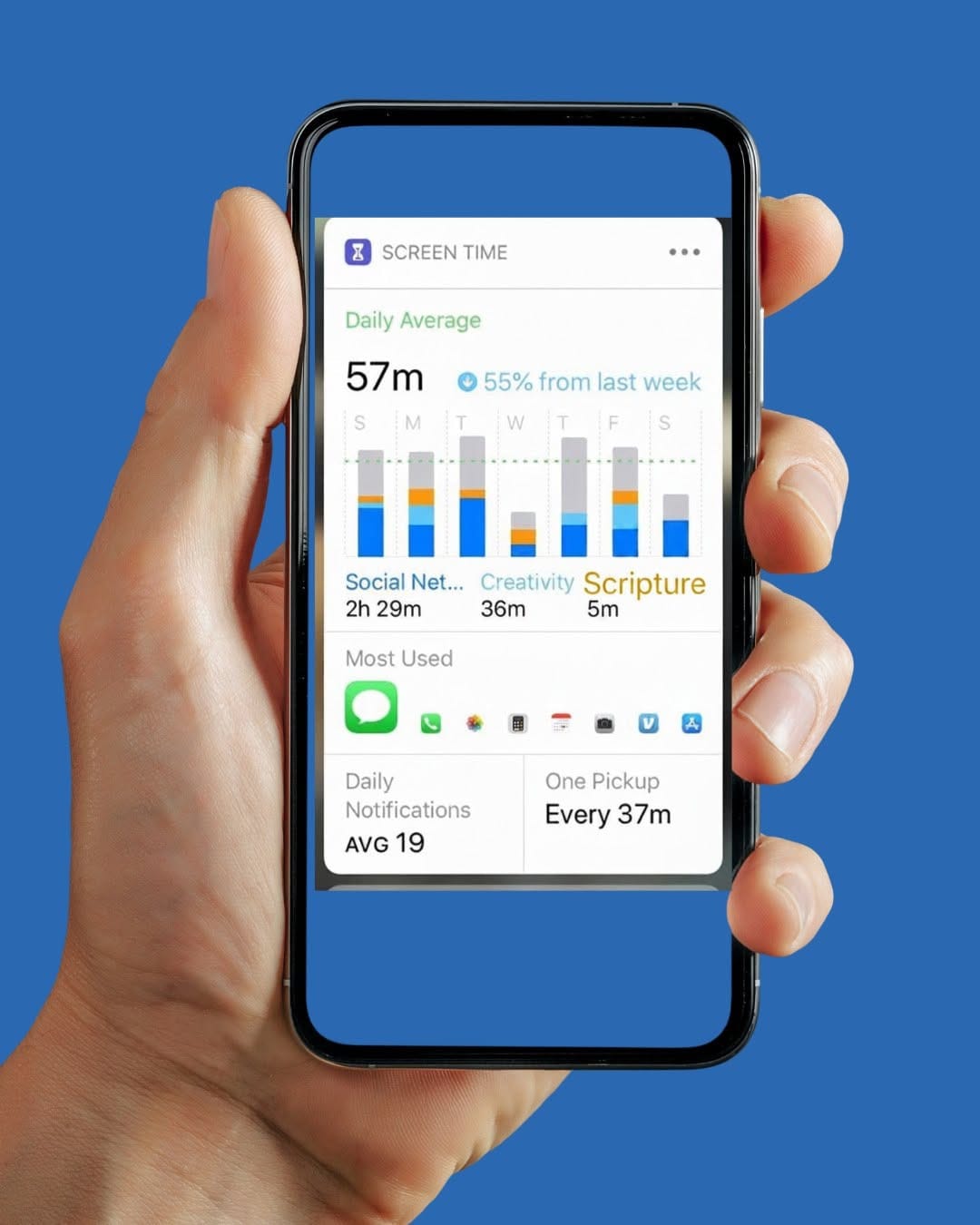
Remove Easy Digital Temptations
Phones are built for quick checks that turn into long scrolling sessions, so make that path less smooth. A little friction can save a lot of time in this particular case.
I suggest starting with your notifications. Turn off anything that is not urgent, especially shopping apps, social media alerts, and news pings. If the phone stays quiet, your brain stays calmer too.
Next, move distracting apps off the home screen or place them in a folder on the last page. Log out of the ones that pull you in the most. That extra step of having to log in again to use them creates the friction that helps break automatic habits.
Some people even switch their screen to grayscale. If you’re a TikTok or Insta junkie, this makes the phone looks way less exciting, so the urge to scroll for your next dopamine hit declines.

Create Device-Free Time Blocks
Big detox plans (like the ones we tend to make when we set new year’s resolutions) can feel hard to keep. Short blocks or timeboxing tends to work better because they fit real life and build momentum.
Ideas for choosing anchor moments
- Morning: Keep the first 20 minutes screen-free. Drink water, stretch, walk the dog, or sit by a window with your coffee and do some quick journaling before checking anything.
- Meals: Try leaving the phone in another room during lunch or dinner. Food tastes better when your attention is fully there, plus you’re way less inclined to overeat when you’re focused on your meal and the taste, instead of a screen.
- Evening: Try to peel yourself away from all screens about 30 to 60 minutes before bed. This helps your mind slow down so you can unwind and fall asleep faster.
Try to make some anchor moments like these a fixed part of your daily routine. A scheduled break becomes a faster habit, and that habit can turn a short screen break into a lasting routine.
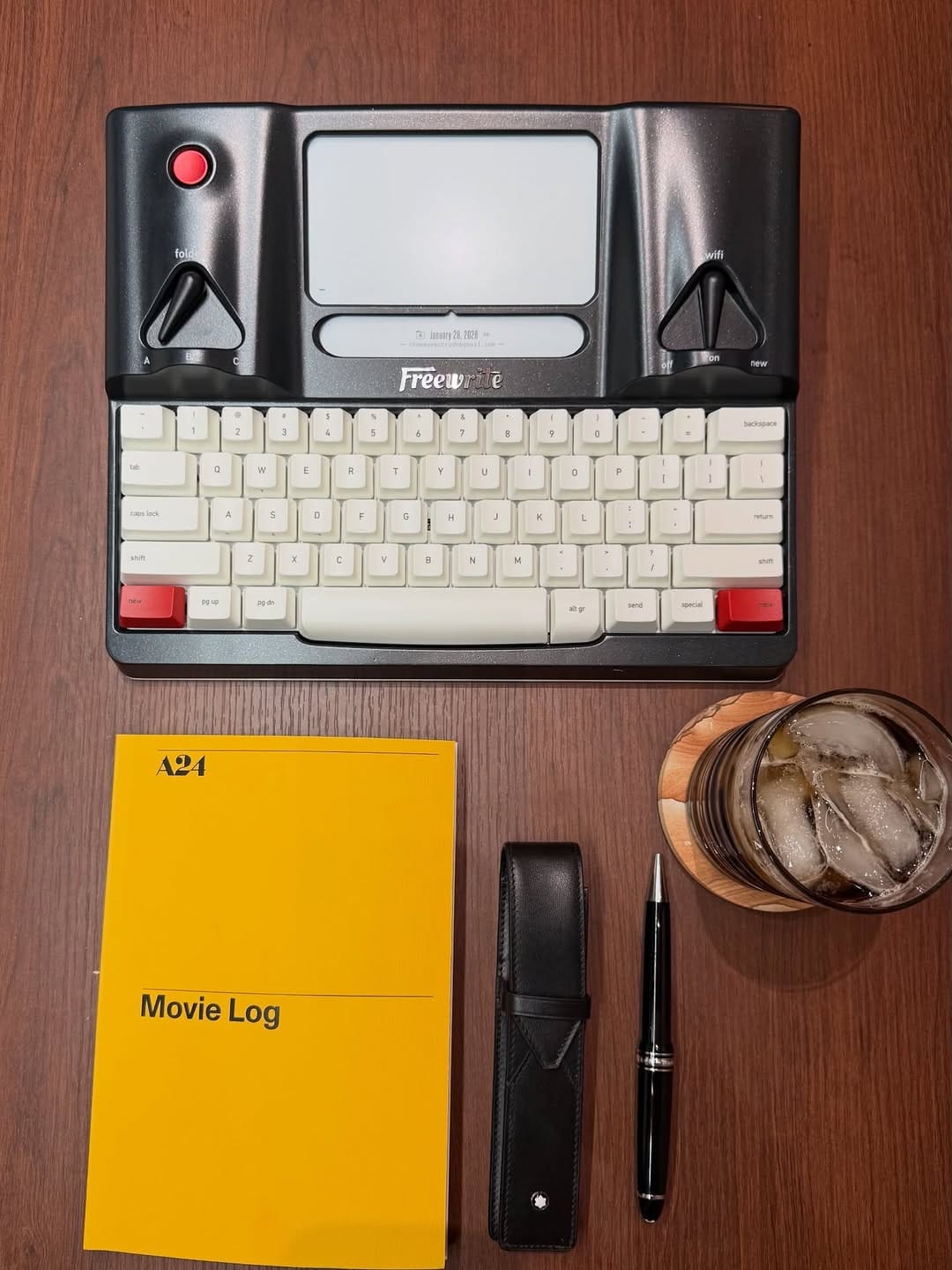
Replace Scrolling With Offline Activities
Free time can feel strange at first, which is why a good digital detox challenge needs a simple backup plan. If you remove screens without adding anything else, boredom could pull you right back in.
My number one replacement for doomscrolling has been reading. I even did a daily reading challenge a while back, and fell in love with my Kindle again. (Yes, it’s also a screen. But a very quiet screen!)
- Offline menu: Make a short list of easy options you can start in under five minutes, like reading ten pages, making your own cold brew or lemonade, planning out some meals, stretching, or taking a quick walk.
- Visible tools: Keep a book, notebook, puzzle, or recipe within reach, so the better choice is easy to see.
- Low-effort hobbies: Pick activities that feel light, not like work. Cooking, sketching, and music are often easier to stick with than big DIY projects.
The goal is to make your screen break feel full and fruitful. The craziest thing that happened to me was the amount of time I reclaimed on my digital detox. My days felt way longer, it was crazy.

Set Boundaries With Other People
A digital detox challenge tends to work better when other people are in the know. Clear expectations stop small misunderstandings before they start.
Tell family, friends, and coworkers that you’ll be checking messages less often for a set time. Keep it short and direct. A simple note like, “I’m on a screen break and will reply at noon and 6 p.m.” removes guesswork and lowers pressure. Win-win.
Protect Your Quiet Time
Use response windows instead of staying available all day, too. That helps people know when to expect an answer. If needed, set a status message or voicemail update so you don’t have to explain it over and over.
People usually adjust fast when the rule is clear. You’re not being rude, just making space to focus!

Review Progress and Adjust
At the end of your digital detox challenge, take a breather to look at what changed.
Did you sleep better? Feel less distracted? Reach for your phone less often?
Make a note of the moments that felt easiest and the times that still felt hard. That quick review shows which rules fit real life and which ones need a small tweak.
Keep the habits that gave you more focus, such as app limits, phone-free meals, or a nightly cutoff time. Again, a good screen routine doesn’t have to be strict. It just has to work well enough to last.
Save these digital detox challenge steps and test them one at a time. That makes the process feel easier and more real.
A phone will always ask for attention. Our job is to build a routine that gives us some of that attention back to our own minds, time, and lives.





Leave a Reply