

Does looking at a messy room 30 minutes before guests arrive make you panic? You’re not alone. We tend to think home organisation takes days and weeks to plan out, when short, focused bursts of activity are in fact often more effective. Learning how to declutter a room quickly is a skill that has saved me both time and sanity.
Reducing your decluttering time forces you to strip away the perfectionism that usually stops you from starting in the first place. You aren’t trying to reorganise your entire life; you’re simply resetting one specific space. Whether the living room needs a tidy-up from empty glasses and old magazines or the bedroom has a million clothes lying around, this method works because it limits your time and focuses your effort.
Set a Timer Before You Start Decluttering
Setting a timer is one of the most powerful methods in any decluttering toolkit. When you have unlimited time, it’s too easy to get distracted by old photos or spend an hour organising a single drawer. In contrast, a 30-minute timebox creates a sense of urgency.
I noticed that when I set a timer, I stop overthinking. I make decisions more quickly and easily about what to keep and what to toss. It turns a dreadful chore into a race against the clock. This approach is similar to the fast and easy daily decluttering bursts approach, where consistency beats intensity.
You aren’t trying to deep clean or organise the entire home right now, just focusing on one room. By the time the timer dings, you’ll have a tidy space and likely even feel motivated to tackle another little area tomorrow.
Work Without Distractions to Declutter a Room in 30 Minutes
Before you start the clock, it’s better to briefly prep. You can’t declutter a room quickly if you keep leaving to find supplies.
Here is what I grab before I start:
- Trash bag for actual rubbish.
- Recycling bin or bag for paper, boxes, and empty bottles.
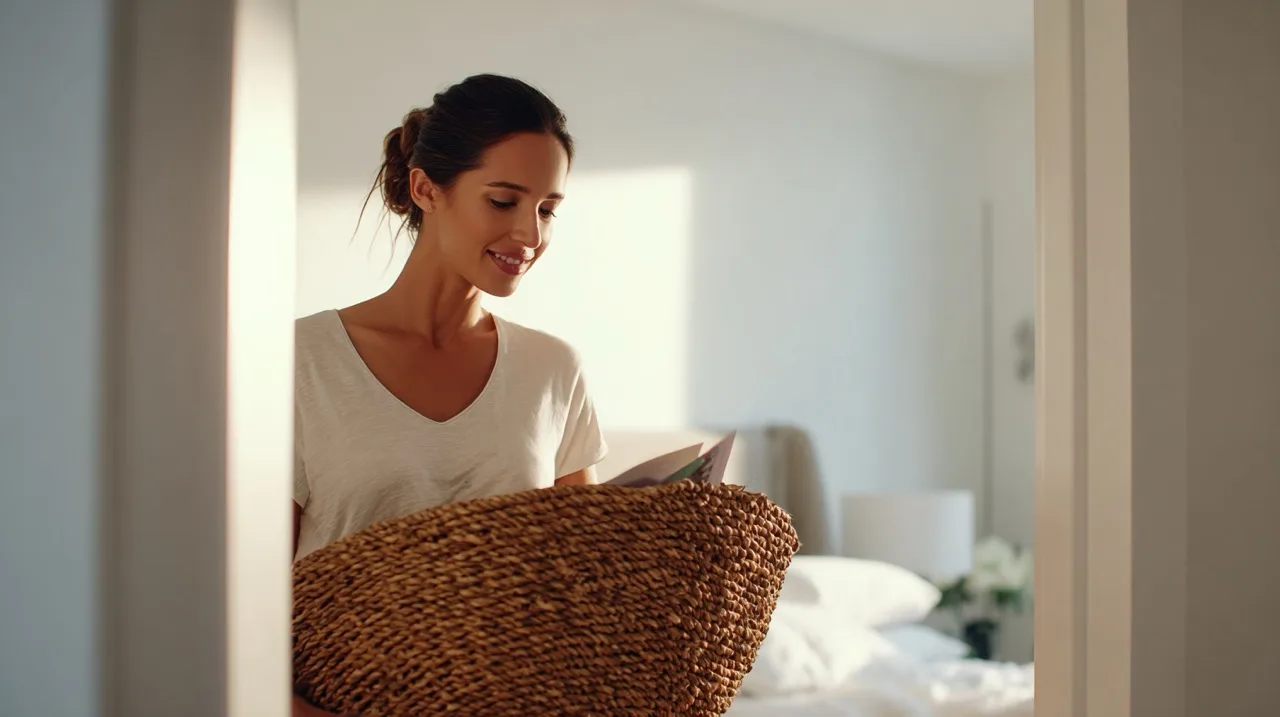
- Laundry basket for the “put away” step.
- If applicable: donation box for items that can be parted with.
Turn off the TV and put your phone on “Do Not Disturb” so you can work without distractions. Put on some energetic music if it helps you move faster. Once you have your supplies ready, set that timer for 30 minutes!
Step 1: Quick Sweep for Trash and Recycling Clutter
The first step to declutter a room is removing the obvious trash. This is the easiest win because it requires zero emotional energy.
Scan the room for:
- Old receipts and mail
- Empty bottles and glasses
- Packaging or wrappers
- Broken items that can’t be fixed
Toss these into your trash bag or recycling bin immediately. Don’t analyse them; just get them out of the way. You might be surprised by how much clutter disappears just by removing the rubbish. This quick sweep clears the visual noise and gives you momentum for the next steps of the decluttering process.
Step 2: Clear the Floor and Surfaces
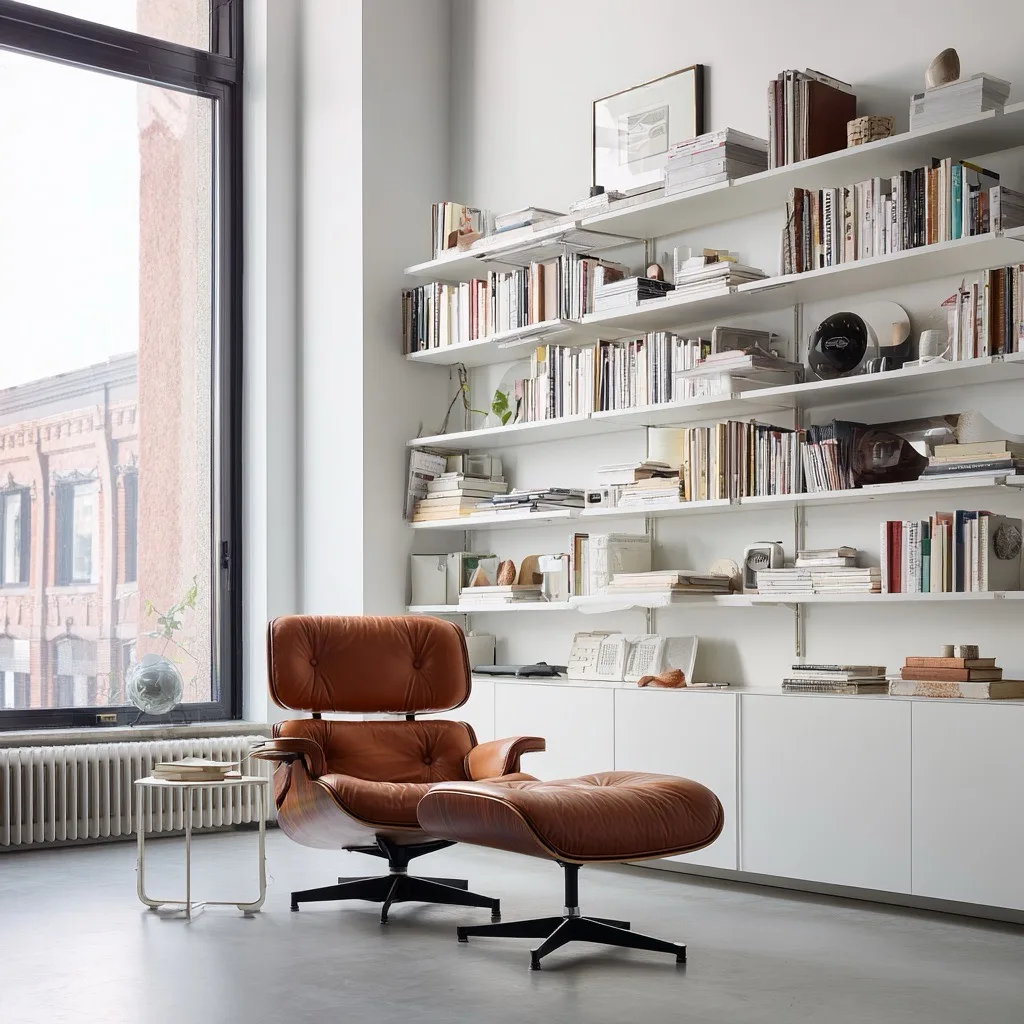
Now that the trash is gone, focus on the floor and surfaces. Nothing makes a room look messier than a floor covered in stuff.
Pick up anything on the floor that doesn’t belong there. Dirty clothes go in a hamper. Shoes go in the closet. If an item belongs in another room, don’t leave the room to put it away yet. Drop it in that laundry basket you brought along.
Next, move to the flat surface areas; coffee tables, nightstands, countertops, the dresser, et cetera. Clutter loves to congregate on flat surfaces. Use the same method here: if it belongs in this room, put it in its proper place (like a drawer or cupboard). If it belongs elsewhere, it goes in the basket.
Don’t stop to organise the drawer perfectly; just get the surface clear. You’re aiming for a tidy appearance first.
Step 3: Sort Things Away From the Basket
By now, you should have a relatively clear floor and clear surfaces. Your laundry basket is likely full of random items that belong in other parts of the house. It’s time to sort them.
Take five minutes to put these things away. Walk around the room/house and return them to their rightful places. This is the “fetch” method that keeps you from getting distracted during the main cleaning phase.

If you find items that don’t have a home, don’t let them float back onto a flat surface. You have a decision to make: either create a home for it, or consider letting go of it. If you struggle with this, check out my guide on Where to Get Rid of Stuff After Decluttering to explore your options!
Tips for Letting Go of Sentimental Items
During a 30-minute speed session, you might hit a common snag: those darn sentimental items! Maybe it’s an old letter, some photos, or a souvenir from a trip you once took.
Here’s the basic rule for speed decluttering: do not engage. Decluttering sentimental items is a slow, emotional process that will derail your timer. If you find something sentimental that is taking up space, put it in a dedicated “to sort later” box and keep moving.
You can return to this stuff when you have more time to process your feelings. For now, the goal is to move fast, not take a trip down memory lane.
Pro Tip
☞ If you find this particularly hard, don’t miss the 30-Day Decluttering Challenge, which helps build your “letting go” muscle over time!
Storage Solutions to Organise the Room Quickly
Once the clutter is cleared, you might need to straighten out what’s left. You don’t need to buy new storage solutions or hire a professional organiser to make a room look good.
- Group like items: Put all remotes together, stack books neatly, or corral small items in a tray you already have.
- Use hidden storage: If you have a junk drawer or a storage ottoman, use it to store unsightly but necessary items.
- Basket magic: A nice woven basket can hold blankets, toys, or magazines, instantly making the room look curated rather than messy.


If you notice you’re constantly battling the same piles, you might need to rethink your systems. Sometimes the issue isn’t the effort, but the setup. For deeper insights, check out my post about 11 of the most overlooked areas we forget to declutter.
How to Stay Organised and Keep the Room Clutter-Free
The timer has beeped. Look around. I bet you’ll see a noticeable improvement! And you managed to declutter a room quickly without losing your entire weekend.
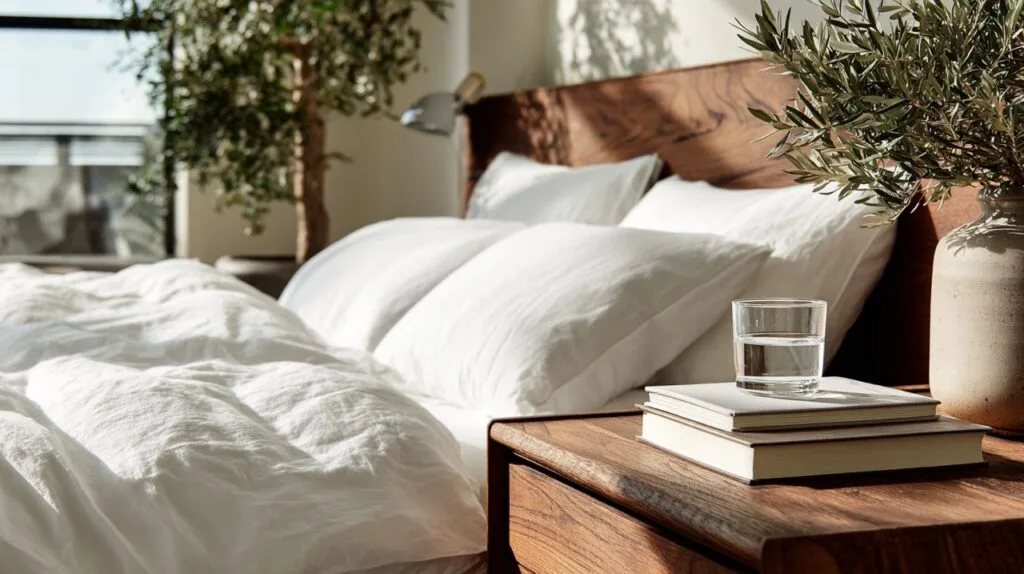
To keep things that way, try doing a super quick “reset” every evening. Spend 5-10 minutes putting things away before bed. This simple habit is quite powerful in preventing the clutter from creeping back; it just helps you stay on top of things. Decluttering is an ongoing process after all, not a one-time event.
If you enjoyed this quick win, you might want to try tackling every room in the house using the same method over the course of a week or so. It’s a practical way to organise your life without the overwhelm.
I really believe keeping tidy creates a calmer mind. You don’t need to be a minimalist to enjoy the benefits of a cleared room, either. You just need 30 minutes and a willingness to start.
For more inspiration on your decluttering journey, check out 53 Things to Declutter Today That You Won’t Even Miss. Happy sorting!



Leave a Reply