
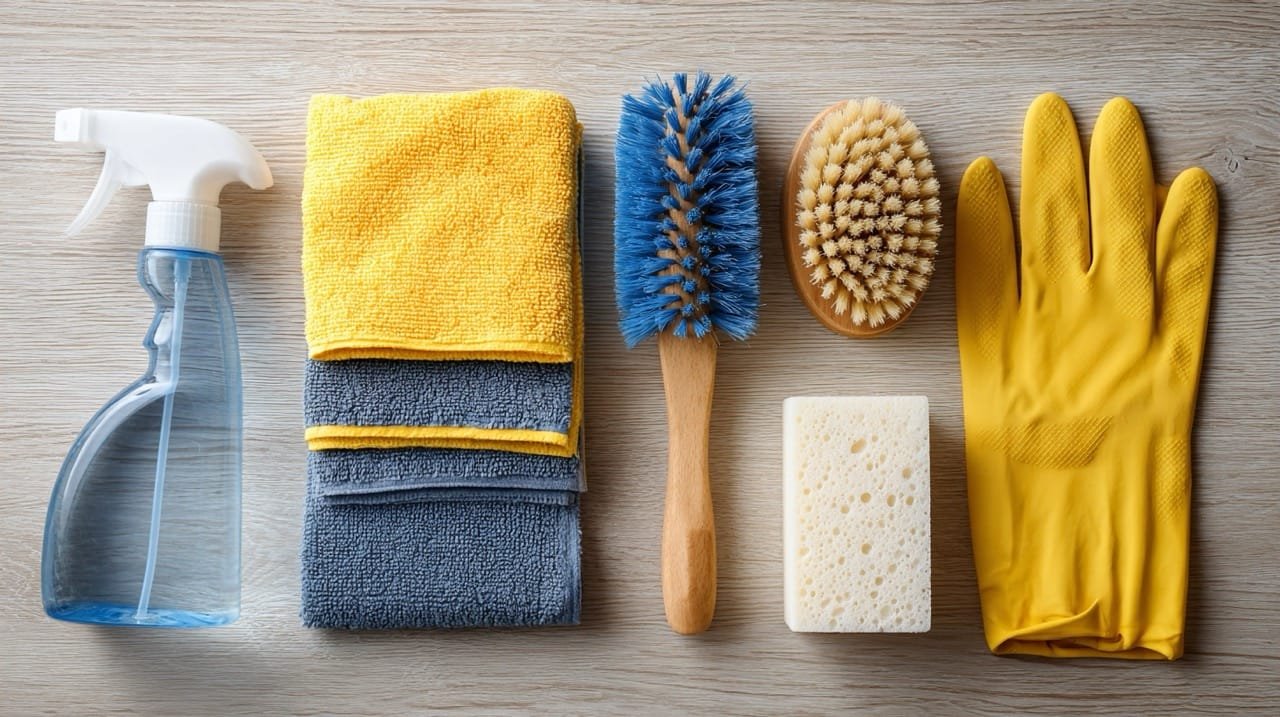
When you first move into your own place as a single, the cleaning aisle at the grocery store can feel incredibly intimidating. There are hundreds of bottles promising a spotless home, gadgets that look like sci-fi props, and scents ranging from “ocean breeze” to “alpine meadow.” And who has room for all this stuff in a small home anyway?
It’s tempting to grab one of everything. I’ve been there. I once bought a specialised cleaner just for blinds that I used exactly once before losing it under the sink. The truth is though, running a healthy home doesn’t require a massive arsenal. In fact, having too many products usually leads to clutter, which is exactly what we try to avoid around here at Tidymalism.
All you really need is a curated cleaning supplies list to put together a set of reliable items that cover 90% of your cleaning tasks. Whether you’re dealing with hardwood floors, scrubbing tile, or just trying to keep dust bunnies at bay, this basic cleaning supplies checklist will help you shop smart.
Here’s what I’ve found actually works for maintaining a clean space without wasting money or cabinet space.

Must-Have Cleaning Tools
Before we get into sprays and scrubbers, we need to talk about hardware. These are the cleaning tools that will do the heavy lifting. You want items that are durable, easy to store, and effective.
A Reliable Vacuum Cleaner
If you have carpet or rugs, a vacuum cleaner is non-negotiable. But even if you have mostly hard floors, a hoover is often better than a broom for picking up hair and fine dust. For a smaller apartment or a single-person household, you don’t necessarily need a massive upright beast. A cordless stick vacuum is often sufficient for daily cleaning and takes up much less closet space. Look for one with attachments to handle upholstery and nooks and crannies like the space between sofa cushions.


I’ve had great experiences with both Dyson and Miele, and those are the two brands I’d wholeheartedly recommend. You do you though. Check out the Amazon reviews and do a quick search on Google to see what the cleanfluencers have to say about the vacuum you’re eyeballing.
Broom and Dustpan
Even with a vacuum, you’ll still need a broom. Sometimes it’s just faster to sweep up a spilled bowl of cereal than it is to drag out the vacuum kit and caboodle. Plus, hoovers can struggle with larger debris in the kitchen.
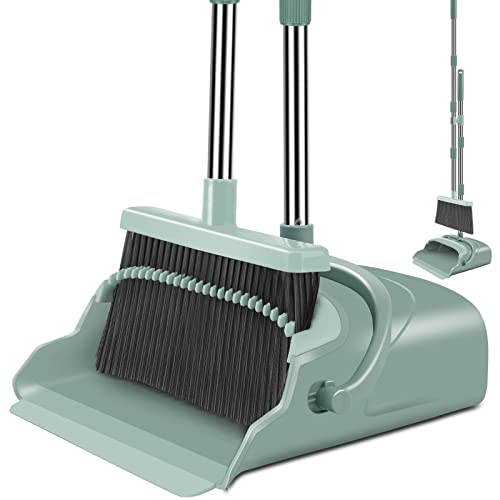


When shopping, look for an angled broom with sturdy bristle quality. It makes getting into corners significantly easier. You also want a dustpan that has a rubber lip on the edge; this ensures the dirt actually goes into the pan rather than being swept underneath it. A broom and dustpan set that snaps together for vertical storage is a great space-saver for apartment living.
A Good Mop
Mopping has come a long way. You don’t need a heavy bucket and a string mop that smells like a wet dog three days later. For most general cleaning, a flat mop with removable, washable pads is the way to go.


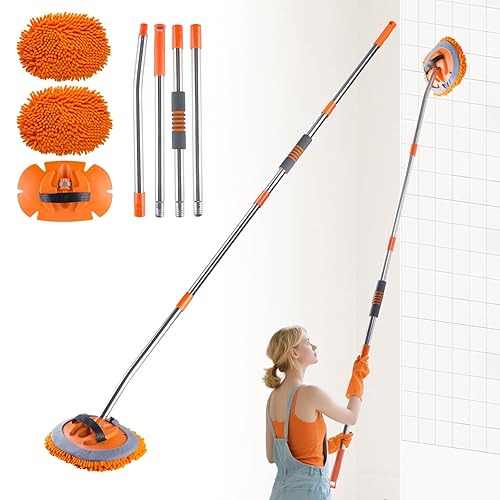


I prefer microfiber flat mops because you can toss the pads in the washing machine. This is much more sanitary than traditional methods. If you have a lot of hardwood or tile, you can also use a mop dry to pick up dust and then wet for scrubbing.
Toilet Brush
This is the least glamorous item on the checklist, but you absolutely need one. Don’t overthink this. A simple toilet brush with a holder that hides the head is perfect. Just make sure you replace it periodically.


Cloths, Sponges, and Scrubbers
Now that you have the big tools, let’s talk about what you use to wipe surfaces. This is where a lot of people waste money on disposable products, but a few reusable items are far more effective for house cleaning.
Microfiber Cloths
If I could only choose one item for cleaning supplies, it might be the microfiber cloth. Microfiber is incredible because it grabs onto dust and grime rather than just pushing it around like cotton rags do.



Get a pack of 6 to 12 clothes, depending on how often you do laundry. Use them for dusting shelves, wiping down countertops, cleaning mirrors, and scrubbing the bathroom sink. Because they’re reusable, they’re an eco-friendly helper and save you money in the long run. I suggest colour-coding them: blue for glass, yellow for dusting, and a specific colour for the bathroom so you don’t cross-contaminate.
Sponges and Scrubbers
For washing dishes and scrubbing the bathtub, you need a good sponge. I recommend a dual-sided sponge—one side soft and absorbent, the other side abrasive for scrubbing stuck-on food or soap scum.


Be careful though: sponges can harbor bacteria. Make sure you rinse them well and replace them often. You can also toss them in the upper compartment of your dishwasher to keep them bacteria-free!
For doing dishes, you might prefer to use a dish brush, which tends to dry out faster and stay cleaner longer.


Paper Towels
While I love sustainable options, paper towels are still useful and belong on any basic cleaning supplies list. I use microfiber for 90% of things, but if there is a really gross mess—like pet accidents or big spills on the counter—I prefer to use paper towels to sop things up and throw away immediately. You don’t need to use them for everything, but having them on hand is practical for sure.
Household Cleaning Products That Actually Work
Walking down the cleaning aisle, you might think you need a separate cleaner for every surface in your house. You don’t. Most cleaning jobs can be handled by a few versatile products. Here’s the cleaning product list you need.
Multi-Surface All-Purpose Cleaner
This is your daily go-to. An all-purpose cleaner works on countertops, stove tops, tables, and even the outside of the toilet. You can buy a store-bought brand, or if you want to be eco-friendly, you can find great plant-based options.


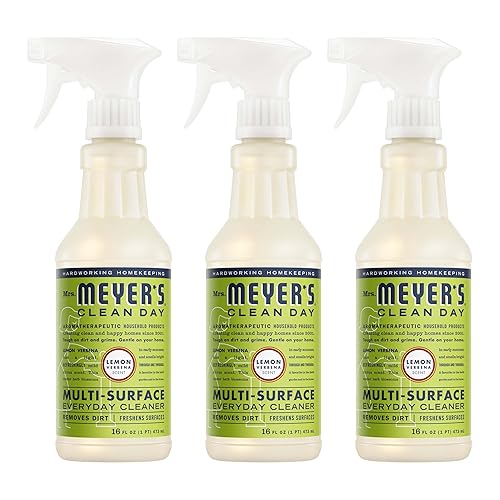

This cleaner handles surface dirt, spills, and grease. If you’re trying to keep a clean and tidy home, a quick spritz and wipe down with all-purpose spray as part of your daily cleaning routine makes a huge difference.
Dish Soap
Obviously, you need dish soap for your dishes. But dish soap is also a secret weapon for all the cleaning tips gurus. It’s an incredible degreaser!


You can mix a few drops of dish soap with warm water to clean your kitchen cabinets, wipe down sticky baseboards, or even spot-clean stains on the carpet. It’s mild enough not to damage most surfaces but tough on grease.
Glass Cleaner
To get mirrors and windows streak-free, you generally need a specific cleaner. While some people use their all-purpose spray, it often leaves a residue. A dedicated glass cleaner like Windex makes certain your bathroom mirror is really streak-free and clean.


Disinfectant or Bleach
While all-purpose cleaner removes dirt, it doesn’t always kill germs. For the toilet bowl or after someone has been sick, you need something stronger.


Bleach is the heavy hitter here. A small bottle of bleach is useful for sanitising and whitening. However, be very careful with it because it will ruin your clothes and can be dangerous if mixed with other chemicals. Never mix bleach with vinegar or ammonia, for example. If bleach feels too intense, look for a disinfectant spray that kills 99.9% of germs. This is a must-have cleaning item during flu season alone.
Distilled White Vinegar and Baking Soda
If you want to clean safely and efficiently without harsh chemicals, these two pantry staples are amazing.


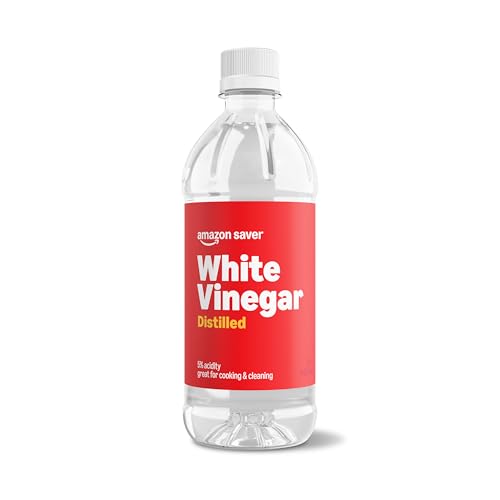

Distilled white vinegar is fantastic for removing hard water deposits on faucets and cleaning glass (mix vinegar and water 50/50). It’s also great for descaling your coffee maker.
Baking soda is a gentle abrasive. It’s perfect for scrubbing a stainless steel sink, cleaning grout, or even refreshing a mattress. If you sprinkle baking soda in the bottom of your trash can, it helps absorb odor. I also keep an opened box of Arm & Hammer in my fridge to absorb odours.


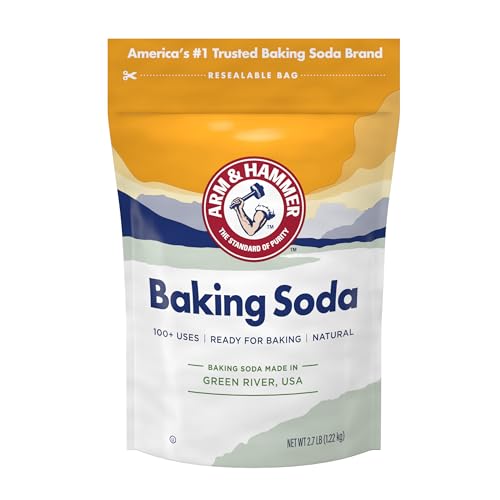

Combining vinegar and baking soda creates a fizzing reaction that can help dislodge gunk in drains, though it’s not a miracle cure for severe clogs. Both staples are the backbone of many cleaning solutions you can make yourself. (Check out my recipe for making your own cleaning solution!)
Supplies for a Deep Clean
Every once in a while, you need to go beyond the surface wipe-down. This is typically called deep clean or spring cleaning, but really it’s just maintenance. Here are a few specialised items to add to your cleaning supplies checklist for when you want to get into the nitty-gritty (literally).
Stain Remover
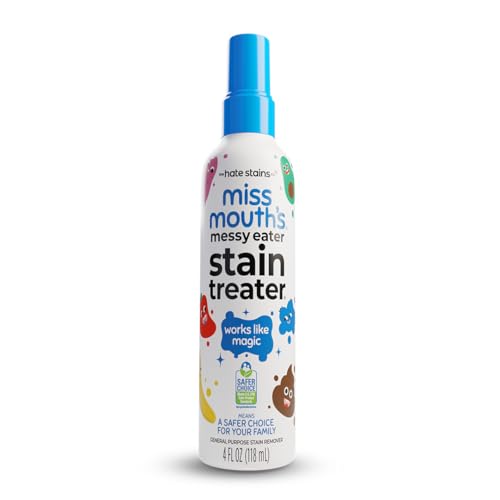
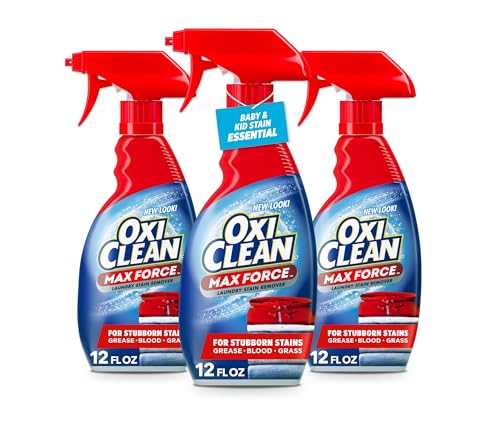
Life happens. At some point somebody will spill red wine, coffee, or salsa. A dedicated stain remover for fabrics is good to have on hand. Whether it is for your clothes or the living room rug, having this ready prevents a permanent mark.


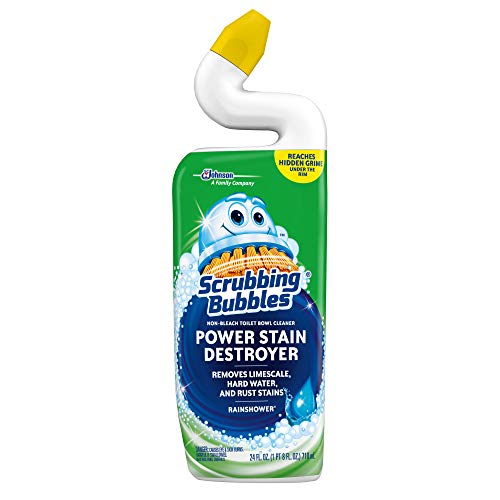
Bathroom Cleaner with Limescale Remover
If you have tile in your shower, soap scum and hard water can build up quickly. An all-purpose cleaner might struggle here. A dedicated bathroom cleaner designed to cut through limescale and grout grime will save you a lot of scrubbing. Spray it on, let it sit for ten minutes to let the cleaning power work, and then scrub away.




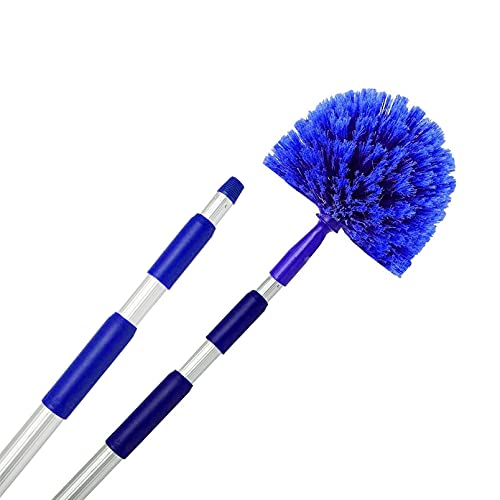
Duster with Extendable Handle
I mentioned microfiber cloths for dusting, but what about ceiling fans or the tops of door frames? An extendable duster helps you reach these high spots without standing on a wobbly chair. If you have high ceilings, this is a cleaning tool worth the investment to keep your home cleaning routine safe.


If you sit in a wheelchair, you’ll definitely want to have one on hand. I put together a round-up of a few other neat gadgets to help with household cleaning for folks with disabilities.
How to Store Cleaning Supplies Safely

Once you have your cleaning supplies checked off, you need a place to put them. If you live in a small space, this can be tricky.
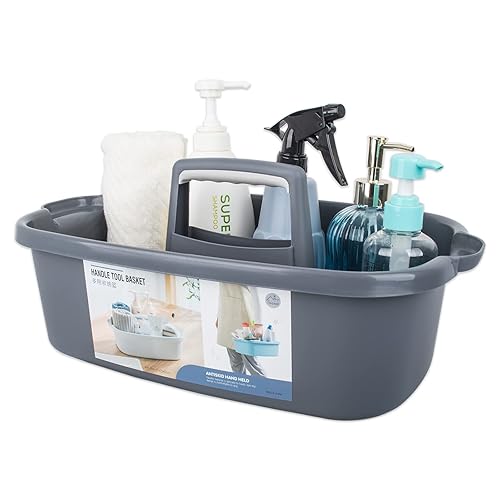
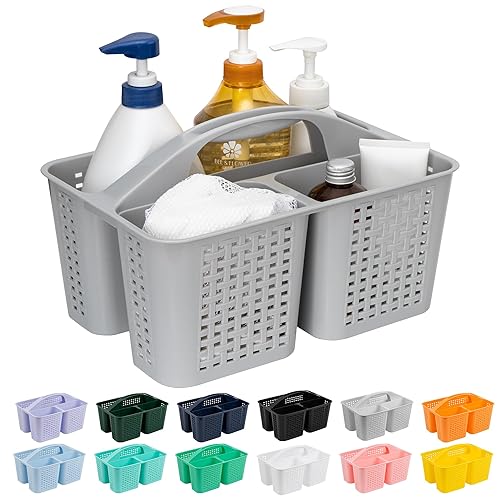
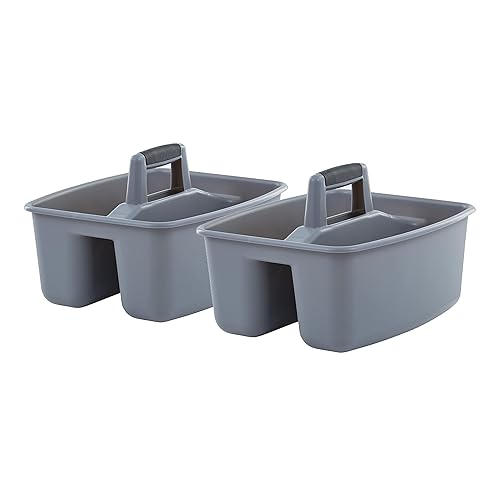
The most common spot to store cleaning supplies is under the bathroom or kitchen sink. If you do this, I highly recommend getting a plastic caddy. You can load your cleaner, cloths, sponge, and gloves into the caddy and carry it from room to room. This makes the cleaning routine much faster because you aren’t running back and forth because you left the glass cleaner in another room.

Safety Note: If you have pets or kids visiting, make sure your cleaning product stash is secured with child-proof locks. Even “natural” cleaners can be harmful if ingested.
Tips for a Clean and Tidy Home
Having the right cleaning supplies is step one. Step two is actually using them. I’ve found that the secret to a spotless home isn’t spending all Sunday scrubbing—it’s small, daily habits.
Why This Basic Cleaning Supplies List Works
This cleaning supplies checklist avoids the fluff. You don’t need a specific spray for electronics (a barely damp microfiber cloth usually works) or a specialised granite polisher unless you’re feeling very fancy.
By sticking to this basic cleaning supplies list, you save money and cupboard space. You also avoid the mental load of managing dozens of bottles.
Supplies Checklist for Your Next Shopping Trip
To make it easy, here’s the consolidated supplies checklist to take to the store:
Tools:
Consumables:
Liquids and Sprays:
What’s On Your Essential Cleaning List?
Running a household is a learning curve for everyone starting out. You’ll figure out which brand of cleaner you prefer (I personally love the smell of lemon verbena) and which mop feels best in your hands.
The goal isn’t to have a home that looks like a museum, it’s a clean home that feels comfortable and healthy to live in. With the right supplies, you’re well-equipped to handle the mess of everyday life and keep your place looking great.
Start with this list, and as you get comfortable with your space, you can add specialised supplies if you find you really need them.
Happy cleaning!




Leave a Reply