

You look around the rooms you’ve lived in for years and notice something. It’s not that your home is messy or disorganised, it’s just… full. It’s the bookshelf that’s now double-stacked, the kitchen cabinetry full of gadgets you used once, the closet that holds clothes for a life you no longer lead. Stuff has accumulated. Seemingly multiplied even.
You have no intention of packing everything up and moving to a smaller space, you just want to pare things down. Create more breathing room and a more manageable home, right where you are. I’ve been on this track for awhile now myself, and want to share some ideas on how to downsize without moving.
Why Do You Even Want to Declutter Your Home?
Before you pull a single item out of a closet, it’s worth taking a moment to understand your motivation. The process of downsizing is less a dramatic purge and more of an intentional edit. The goal isn’t just to get rid of stuff; it’s to simplify the way you live in your home. When folks want to downsize, their reasons are usually very practical:


Make a Concrete Plan to Downsize Your Home
With a clear goal in mind, the next step is to create a strategy. The idea of decluttering an entire home is a bit much, and trying to do it all at once is a recipe for burnout.
When I decided to downsize, I found that a thoughtful approach was far more effective than a frantic one. Here are a few things to consider before you begin.

Room-by-Room Downsizing
With a plan in place, it’s time to get specific. The key to downsizing without moving is to quasi break your home into manageable zones. This methodical approach to decluttering stops overwhelm in its tracks and lets you see tangible progress. Here’s an example of how your roadmap might look:
The Closet and Bedroom
Your closet is often ground zero for clutter (I know mine is). Start by pulling everything out of one small section. As you handle each piece of clothing, ask yourself: Does it fit? Have I worn it in the last year? Does it make me feel good? If not, it’s time to get rid of it. A more minimalist bedroom with clear surfaces can actually improve sleep and reduce stress, so the bedroom is a good place to start downsizing your home without moving to a smaller place.


Kitchen Cabinet Organising
The goal in the kitchen is function. Empty one drawer or cabinet at a time and sort out any duplicate utensils, expired spices, and gadgets you never use. Try to clear off the countertops of everything but the daily essentials. This single act creates an immediate sense of space because our eyes tend to wander over flat surfaces first when we walk into a room.
Minimalist Comfort in the Living Room
Evaluate large furniture like your couch. Does it still serve the room well? Consider digitising old media collections of DVDs and CDs to free up shelf space. Addressing items that don’t actively contribute to your comfort will make the room more streamlined and functional for the simpler life you want.
Getting Rid of Bathroom Clutter
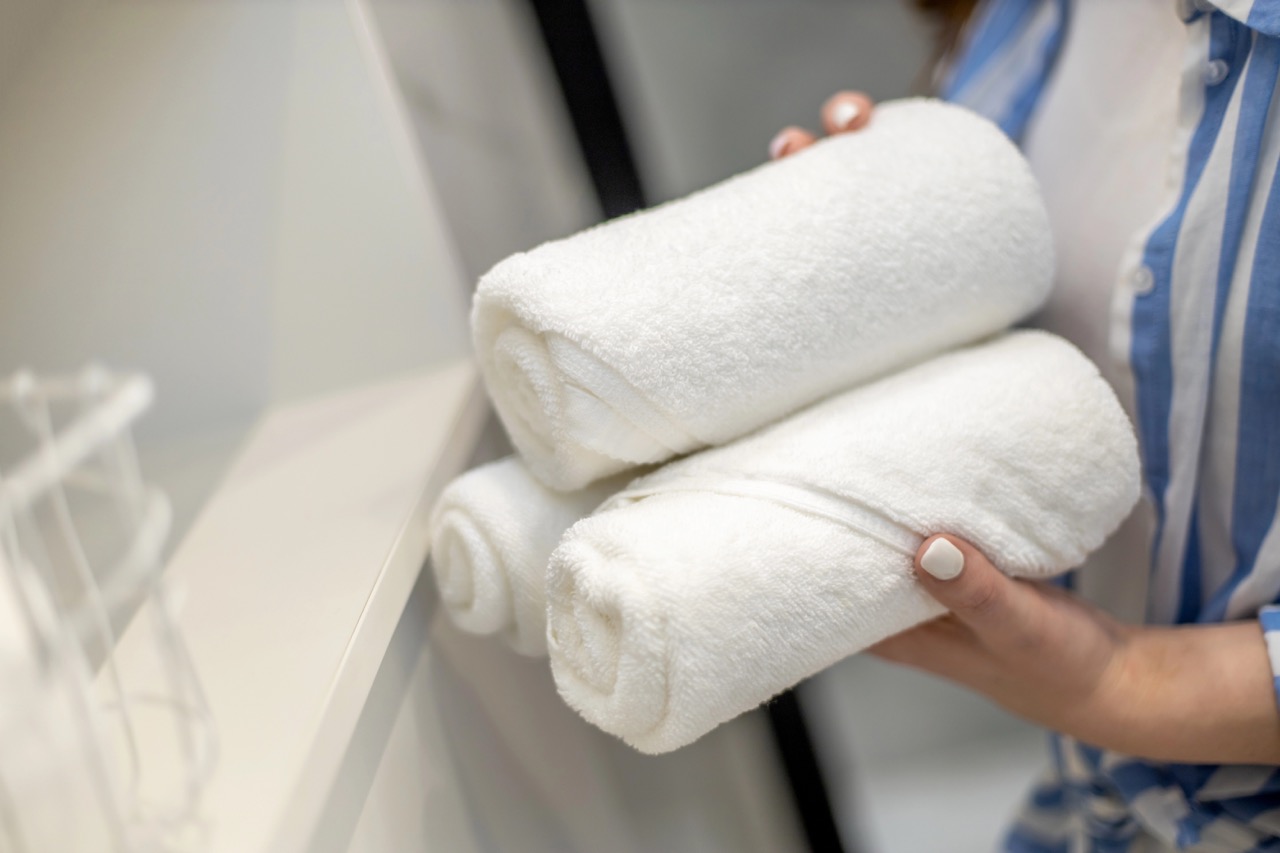
The bathroom is perfect for a quick decluttering session. Go through your cabinets and toss expired medications, old makeup, and half-empty bottles. Consolidate what you can and organise the rest. Just like in the kitchen, a clutter-free counter is an instant facelift in the bathroom, and it also has a way of making morning routines feel calmer and more organised.
Decluttering the Basement, Garage, and Storage Space
These areas can be a nightmare because we tend to chuck literally everything but the kitchen sink in here and then just forget about it. Break down these non-living spaces by category: tools, holiday decorations, old hobby supplies, kids’ toys, etc. Try to be ruthless. If you haven’t used an item in years, it really might be time for it to go.
Bonus: reclaiming this storage space frees it up for other potential uses like a home office, exercise area, or simply the ability to park your vehicle in the garage again.


How to Downsize Without Moving: 3 Practical Methods to Let Things Go
As you work, certain strategies for decluttering can make the decision-making process easier and help you maintain your progress.
What to Do With Your Unwanted Items
Sorting things out is one thing, but actually getting items out of your house is the key final step. I’ve written an entire guide full of the best places to get rid of stuff after decluttering, and these are two of my favourite methods:
Make a little extra cash! Turning clutter into cash is a great motivator. Use Facebook Marketplace for furniture and electronics, or hold a classic garage sale on your driveway for miscellaneous goods.
Make a difference with donations. Charities like Goodwill and The Salvation Army accept clean clothing and household goods in good condition. For furniture or building materials, check out these resources in the UK or in the US.
Maintaining Your Newly Downsized Home
Downsizing your home without moving isn’t a one-time project, so if you want things to stay organised, you’ll need to turn this into a habit.
I’ve found one of the most effective ways to maintain my own home is simply to practice mindful consumption.
Pause before buying and ask if an item actually serves a purpose or if you’re going to wear it right away.
Give everything you own a “home.” And adopt small, consistent routines, like doing a 10-minute reset each evening to quickly tidy things up or get things ready for the next morning.
A little bit of effort prevents clutter from building up again. You don’t need to move to a smaller home to enjoy the benefits of life with less clutter!



Leave a Reply